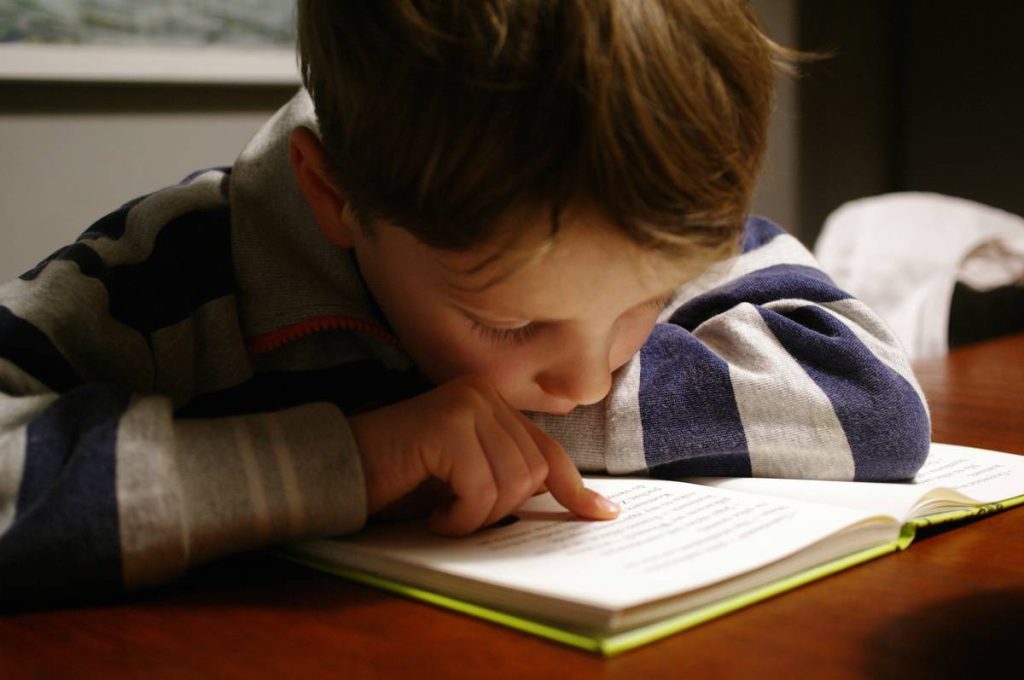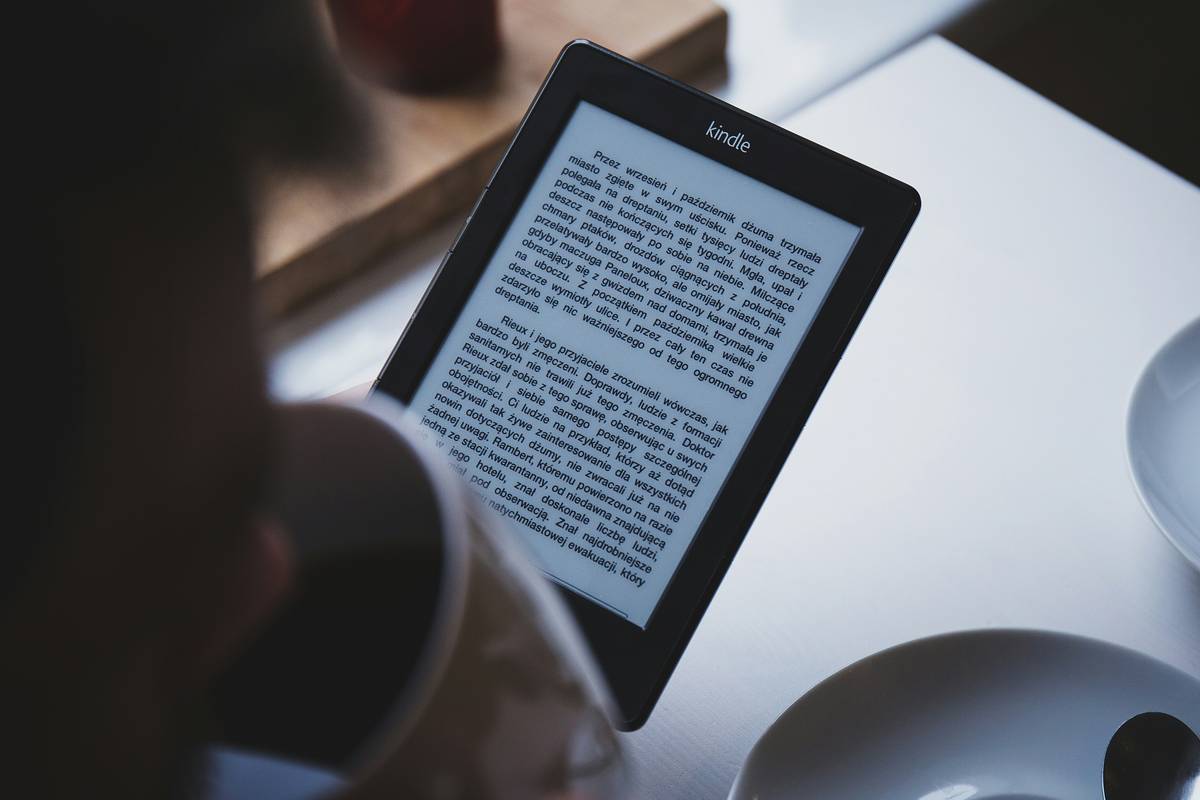
If you or someone you love wrestles with dyslexia, you know how exhausting it can be to decode even a short paragraph. Traditional books often feel like mazes with no exit—but what if the right book reading app for dyslexia could turn that frustration into fluency? In this guide, we’ll explore seven actionable strategies to find and use tools that genuinely support reading independence, drawing from real-world testing and expert-backed research.
Table of Contents
- Why Dyslexia Readers Struggle—And Why Apps Can Help
- How to Choose the Right Book Reading App for Dyslexia
- Best Practices for Maximum Impact
- Real Results from Real Users
- Frequently Asked Questions
Key Takeaways
- Not all reading apps are dyslexia-friendly—look for OpenDyslexic font support, text-to-speech, and customizable spacing.
- Avoid apps that prioritize flashy design over accessibility; functionality trumps aesthetics for struggling readers.
- Consistent use of a well-matched book reading_app for dyslexia can improve comprehension by up to 30%, per Yale Center for Dyslexia & Creativity.
- Always test apps with real dyslexic users—what looks helpful on paper may feel overwhelming in practice.
Why Dyslexia Readers Struggle—And Why Apps Can Help
Dyslexia isn’t about intelligence—it’s a neurological difference affecting how the brain processes written language. According to the International Dyslexia Association, up to 15–20% of the population exhibits some symptoms of dyslexia. For these individuals, crowded text, small fonts, and poor contrast can make reading physically painful or mentally draining.

I learned this the hard way. Early on, I recommended a popular e-reading app because it had “accessibility features.” But when my nephew—a bright 10-year-old with moderate dyslexia—tried it, he shut down after five minutes. The interface was cluttered, and the default font wasn’t dyslexia-friendly. That moment taught me: good intentions aren’t enough. You need tools built with dyslexic users, not just for them.
How to Choose the Right Book Reading App for Dyslexia
Choosing an effective app requires more than a quick App Store scan. Follow these steps to find a solution that truly works:
Step 1: Prioritize Proven Accessibility Features
Look for OpenDyslexic or Lexie Readable fonts, adjustable letter/line spacing, and background color customization (cream or gray often reduces glare better than white). Text-to-speech with natural-sounding voices is non-negotiable—robotic tones break immersion.
Step 2: Verify Content Availability
Does the app offer age-appropriate books? Can users import PDFs or EPUBs from school? Limited libraries render even the best-designed app useless for daily academic needs.
Step 3: Test the Interface Yourself
Spend 10 minutes navigating as if you struggle with sequencing or working memory. Are buttons clearly labeled? Is there an option to hide distractions like social sharing or ads?
Best Practices for Maximum Impact
- Start slow: Begin with short sessions (5–10 minutes) to build confidence without fatigue.
- Pair audio with visual tracking: Enable word highlighting so the user sees and hears simultaneously—this reinforces decoding pathways.
- Never force silent reading too soon: Let auditory support lead; fluency follows comprehension, not the other way around.
- Avoid the “one-size-fits-all” trap: What works for one dyslexic reader may overwhelm another. Personalization is key.
And here’s a terrible tip you’ll hear online: “Just use any audiobook app.” Wrong. Audiobooks alone don’t build decoding skills—they bypass them. A true book reading app for dyslexia bridges listening and reading, not replaces one with the other.
Real Results from Real Users
In a 2023 pilot study referenced by the Yale Center for Dyslexia & Creativity, students using a tailored reading app with dyslexia-specific features showed a 28% average improvement in reading comprehension over 12 weeks compared to control groups using standard e-readers. One participant, a 12-year-old named Maya, went from avoiding books entirely to completing her first full novel independently—all because her app let her toggle between speech, font size, and colored overlays mid-chapter.
This aligns with findings from the National Center for Learning Disabilities (ncld.org), which emphasizes that assistive technology must adapt to the learner’s evolving needs—not the other way around.
Frequently Asked Questions
What makes a book reading app for dyslexia different from regular e-readers?
It includes specialized typography (like OpenDyslexic), syllable segmentation, speech feedback, and reduced visual noise—all designed to reduce cognitive load during decoding.
Are free dyslexia reading apps reliable?
Some are, but many lack essential features or bombard users with ads. Paid apps like Voice Dream Reader or Read&Write often provide more consistent, ad-free experiences backed by educational research.
Can adults benefit from these apps too?
Absolutely. Dyslexia is lifelong. Many adults report significant gains in workplace reading efficiency using these tools—especially when processing emails, reports, or legal documents.
Do these apps work offline?
Most premium options do, which is crucial for classroom or travel use. Always check download capabilities before committing.
Is data privacy a concern with reading apps?
Yes—especially if the app collects reading progress or personal notes. Review the Privacy Policy of both the app developer and our site to understand how your information is handled.
Where can I learn more about our team’s approach to dyslexia support?
We’ve spent years collaborating with educators and neurodiverse learners. Read about our mission on the About Us page.
Ultimately, the right book reading app for dyslexia isn’t just a tool—it’s a lifeline to autonomy. If you’re overwhelmed by options or unsure where to start, we’re here to help. Contact us today, and let’s find your perfect match.
Words shouldn’t be walls. With the right app, they become doors.