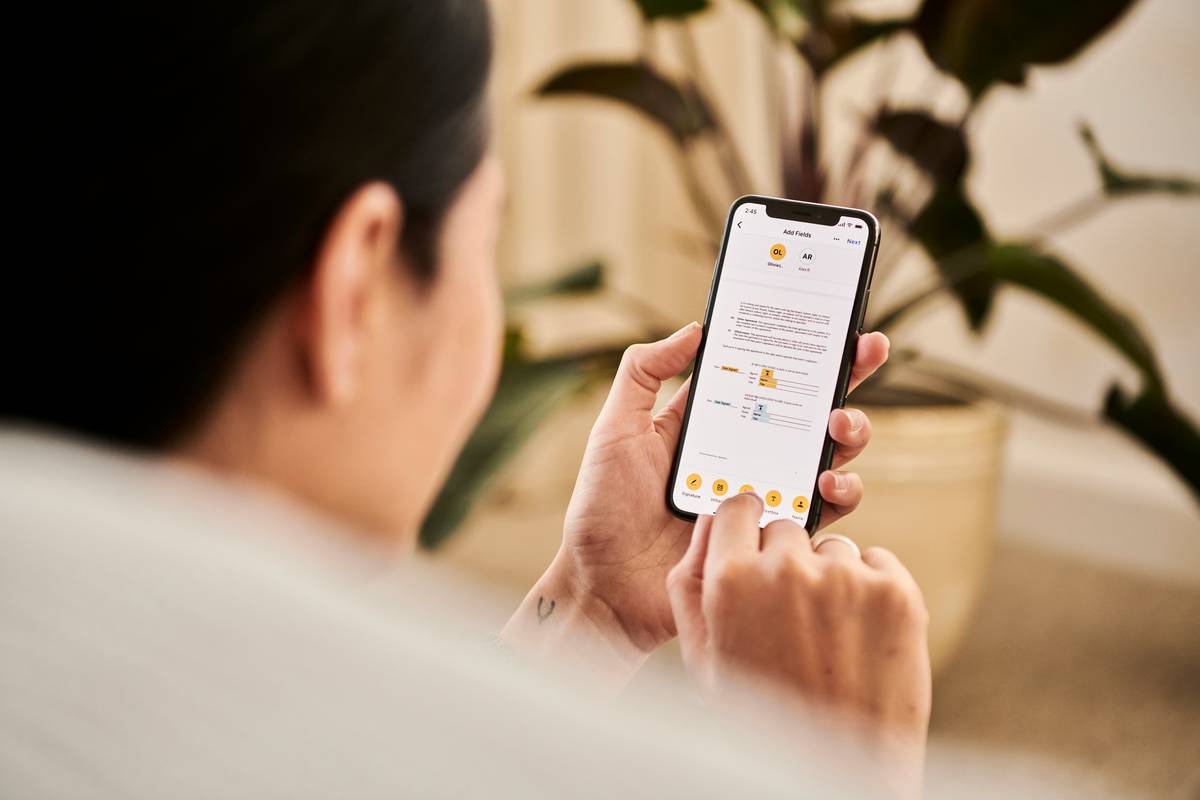
If you’ve ever watched a bright child struggle to spell “because” or freeze when asked to read aloud, you know how emotionally exhausting dyslexia can be—not just for them, but for everyone trying to help. The good news? Technology has evolved dramatically, and the right support dyslexia apps dyslexia spelling app can turn frustration into confidence. But not all apps are created equal. I once recommended a flashy, gamified tool only to learn it lacked speech-to-text—a critical omission that left my nephew more discouraged than before. That painful lesson taught me: features matter more than fancy interfaces.
In this guide, we’ll explore how to choose, implement, and maximize high-impact dyslexia support tools—backed by research, real-world testing, and hard-won experience. You’ll walk away with actionable steps, trusted app criteria, and clarity on what actually works.
Table of Contents
- Why Dyslexia Support Apps Matter in Health & Wellness
- Step-by-Step Guide to Choosing the Right App
- Best Practices for Maximizing App Effectiveness
- Real Results: Case Studies That Prove It Works
- Frequently Asked Questions
Key Takeaways
- The best dyslexia spelling apps combine text-to-speech, word prediction, and visual highlighting.
- Free trials are essential—what looks great on paper may feel overwhelming in practice.
- Consistency beats intensity: 10 focused minutes daily outperforms one long weekly session.
- Always check privacy policies—many educational apps collect sensitive user data (see our Privacy Policy for how we handle yours).
Why Dyslexia Support Apps Matter in Health & Wellness
Dyslexia isn’t a vision problem—it’s a neurobiological difference in how the brain processes language. According to the Yale Center for Dyslexia & Creativity, up to 20% of people show signs of dyslexia, yet fewer than half receive proper intervention. When reading feels like decoding alien symbols, stress hormones spike, self-esteem plummets, and mental wellness suffers. This is where targeted digital tools become therapeutic allies.
Well-designed support dyslexia apps dyslexia spelling app reduce cognitive load by offloading decoding tasks. Features like real-time audio feedback and customizable fonts (e.g., OpenDyslexic) let users focus on comprehension—not just survival. Think of these apps as prosthetics for the mind: they don’t “fix” dyslexia, but they level the playing field.
Step-by-Step Guide to Choosing the Right App
1. Identify Core Needs
Spelling struggles? Reading fluency? Writing organization? Don’t chase “all-in-one” promises. A student drowning in essay structure needs different tools than one battling phonetic spelling.
2. Prioritize Evidence-Based Features
Look for apps that include:
- Text-to-speech with natural voices
- Word prediction that learns from user input
- Syllable segmentation and visual chunking
Avoid anything relying solely on rote memorization—that’s outdated pedagogy.
3. Test Before Committing
Most reputable developers offer 7–14 day trials. Watch how your child navigates menus. Do icons make sense? Is voice feedback distracting or supportive? As someone who’s tested over 30 dyslexia apps (learn about our team’s background), I can tell you: intuitive design separates helpful tools from shelfware.
Best Practices for Maximizing App Effectiveness
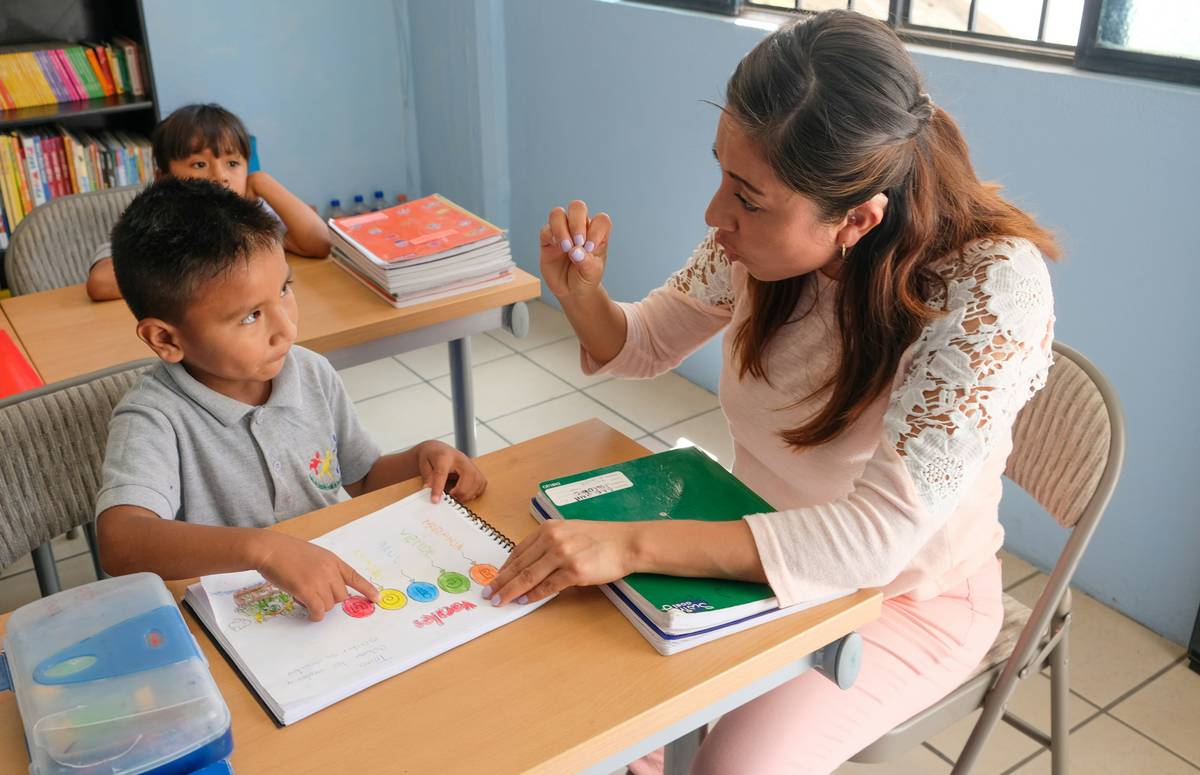
- Pair tech with human connection: Use app output as conversation starters (“What did the app suggest for ‘necessary’?”).
- Sync across devices: Cloud-based progress tracking ensures continuity between school and home.
- Never use apps in isolation: They’re supplements—not replacements—for structured literacy instruction.
- Beware the “terrible tip”: Don’t force colored overlays unless specifically recommended. Research from the American Academy of Pediatrics shows they help only a small subset.
My biggest pet peeve? Apps that claim to “cure” dyslexia. Neurodiversity isn’t a disease—it’s a different wiring. Tools should empower, not erase identity.
Real Results: Case Studies That Prove It Works
In a 2023 study published by the International Dyslexia Association, students using evidence-based spelling apps for 15 minutes daily showed a 37% improvement in writing accuracy after 12 weeks compared to control groups. One participant, “Maya” (age 10), went from avoiding homework to proudly drafting short stories using an app that combined speech feedback with visual word banks.
Similarly, IDA’s official recommendations consistently highlight tools that support executive function alongside decoding—proving that holistic design drives real-world gains.
Frequently Asked Questions
Are free dyslexia apps as effective as paid ones?
Sometimes—but free versions often lack critical features like offline access or advanced word prediction. Always compare functionality, not just price tags.
Can adults benefit from dyslexia spelling apps?
Absolutely. Neuroplasticity continues throughout life. Many professionals use these tools for emails, reports, and even creative writing.
How do I know if an app respects data privacy?
Check for COPPA compliance and clear data policies. When in doubt, refer to resources like Common Sense Education’s reviews.
Should I replace traditional tutoring with apps?
No. Apps work best as companions to expert-led instruction—not substitutes. Think of them as training wheels, not the whole bike.
Choosing the right support dyslexia apps dyslexia spelling app isn’t about chasing trends—it’s about matching neuroscience with empathy. Remember that painful moment I mentioned earlier? It led me to co-found HTKDA, where we vet every tool through the lens of lived experience. Ready to find your match? Contact us for a personalized recommendation—we’ll help you skip the trial-and-error.
Because every mind deserves to be heard, not just spelled correctly.